Commercial real estate in Miami Springs.
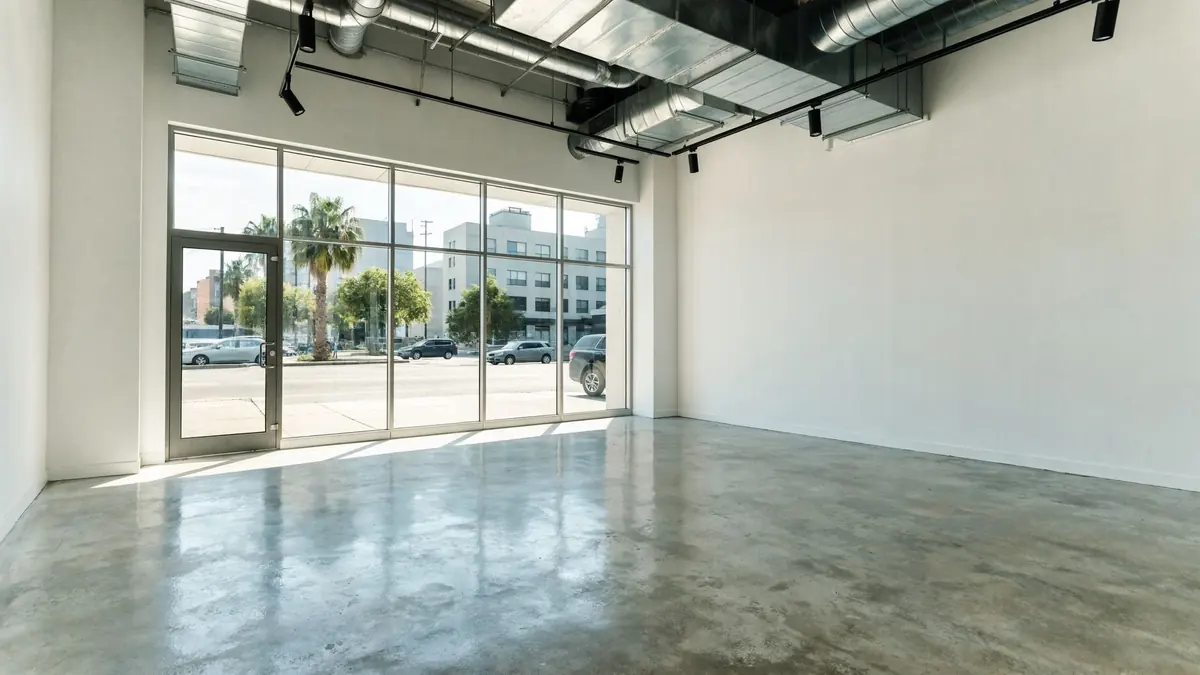
Airport-adjacent service businesses and a small historic town centre shape Miami Springs, where retail carries most of the commercial value.
Looking at Miami Springs space?
Send me the space or the deal — I’ll give you a straight read on Miami Springs, free, within one business day.
Reading the Miami Springs market
The tenants who call me about Miami Springs are almost always airport-driven: crew and hospitality services, plus small businesses that need to be minutes from MIA without paying Doral pricing. Eighteen recorded sales since 2021 give a $371 median with a $264 to $626 range, and thirteen of those were retail at a $414 median. That retail range runs from $277 all the way to $786, which is the widest relative spread I see in a market this small. It reflects two different products sitting inside one city. There is old, small-format space in the residential core, and there is airport-facing commercial along the northern edge, and they do not trade alike.
Miami Springs block by block
Curtiss Parkway is the address that matters in the historic core. It runs through the middle of town to Curtiss Circle, and the commercial around it is small-bay, Pueblo-revival in character and built for a walk-up neighbourhood rather than for cars. Westward Drive is the other town-centre street, home to city hall at 201 Westward Drive and a working mix of local retail and services. Values in that core are driven by character and by the residential base around it. Then there is NW 36th Street, which is a completely different city. That corridor is airport-facing, with hotels and travel-serving businesses clustered along it, and it prices on visibility and proximity to MIA. Okeechobee Road runs along the edge and pulls the industrial and service uses. If a client says Miami Springs, my first question is which of those they mean, because it changes both the price and the tenant pool.
Doing a deal in Miami Springs
Two constraints define deals here that barely exist elsewhere. The first is the airport. Miami Springs sits directly under MIA operations, so height limits and airport-related zoning overlays are live issues on any development or major renovation, and they surprise buyers who priced the land as if it were unencumbered. Check that before you go hard on a deposit. The second is the town centre’s historic character. The Pueblo-revival building stock is the city’s identity, and exterior changes to it invite review. A tenant with a corporate facade program should plan on a custom solution rather than the standard kit. Beyond those, this is a small city with a small commercial footprint and a lot of long-term local ownership, so off-market conversation matters more than listing searches. On the airport corridor, expect leases written for transient service businesses, meaning shorter terms and more turnover than a neighbourhood retail landlord would tolerate.
Miami Springs pricing & data
Start with the local numbers, then get a defensible figure for a specific building:
How I help in Miami Springs
Whatever your side of the deal in Miami Springs, I work for you — never the landlord. Tenant, buyer, and seller representation across Miami-Dade County.
Explore nearby & up a level
Compiled by Justin Crow, Mattis Advisors — for reference, not an appraisal.
Frequently asked
What does commercial property cost in Miami Springs?
Across 18 recorded commercial sales since 2021, Miami Springs has traded roughly between $264 and $626/SF, with a midpoint near $371/SF — though condition, size, and exact location move it a lot. For a specific building, request a free Broker Opinion of Value.
What kind of commercial real estate is in Miami Springs?
Airport-adjacent service businesses and a small historic town centre shape Miami Springs, where retail carries most of the commercial value.
Do you represent tenants and buyers in Miami Springs?
Yes — tenant, buyer, and seller representation across Miami Springs and all of Miami-Dade County, on your side of the deal.
Does airport proximity help or hurt a Miami Springs retail tenant?
It depends which side of town you pick. On the NW 36th Street corridor, proximity is the entire business case, and hotel and travel-driven traffic supports concepts that would not survive three miles inland. In the residential core around Curtiss Parkway, the airport is background noise and you are serving people who live there. I make clients choose one of those models rather than hoping for both.
What should a buyer check before closing on a Miami Springs building?
Airport-related zoning and height restrictions first, because they cap what you can ever do with the site. Then flood elevation, since it drives insurance and any renovation scope. If the building sits in the historic core, I want to know what exterior work triggers review before we assume a repositioning plan is feasible. And I read the lease terms closely, because short-term airport-service tenants make a stabilised-looking building less stable.