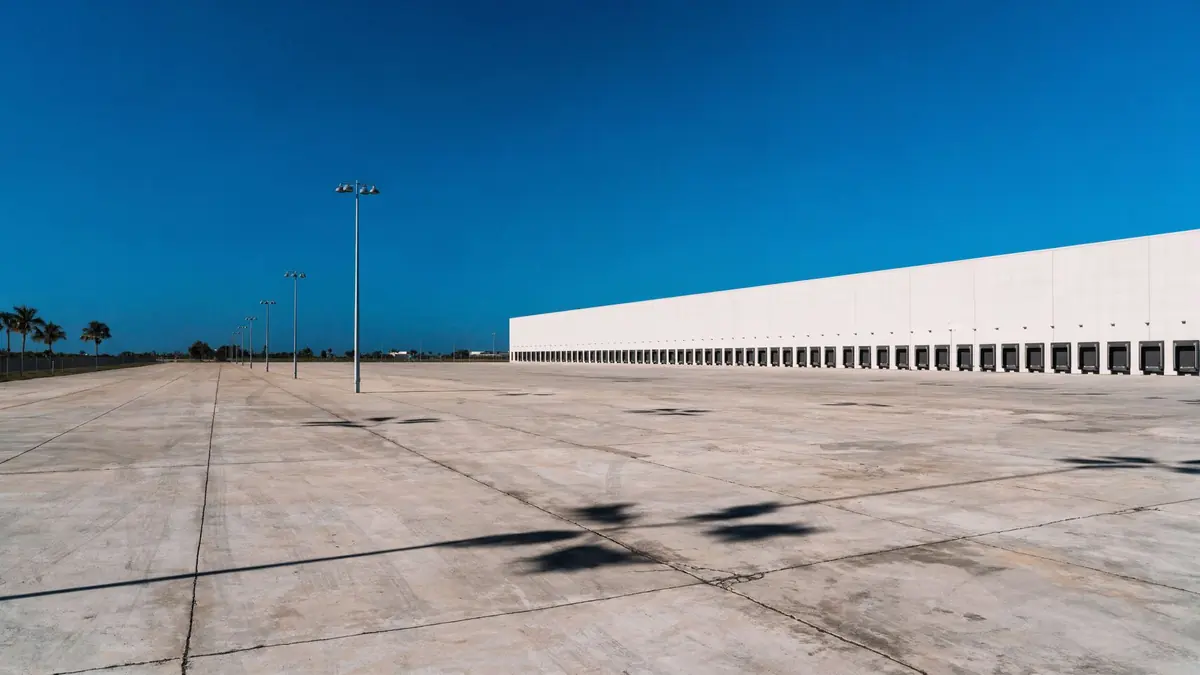
Doral: Miami's corporate and logistics nexus
Doral functions as the operational center for a large portion of Miami's corporate, logistics, and international trade business. Proximity to Miami International Airport, the Port of Miami (via 826 and 836 connectors), and the central Miami-Dade geography make it the default location for corporate regional headquarters, flex office for trade businesses, and Class A logistics.
The Doral commercial market operates across four distinct product types: Class A corporate office, flex office/warehouse, Class A logistics, and ground-floor retail/hospitality. Tenant strategies differ sharply across these segments.
Key Doral submarkets
Doral Corporate Center
Class A Office · Corporate HQ
Premier Class A corporate office. Regional HQs, international trade companies, professional services. Rates $36–$52/SF FSG.
Airport West
Flex · Corporate · Hospitality
West of MIA. Corporate office, flex space, aviation-adjacent businesses. Strong hospitality presence. Rates $34–$48/SF FSG office; $14–$20/SF NNN flex.
Doral Industrial (North)
Class A Logistics · E-Commerce
Modern 32'+ clear logistics product. E-commerce fulfillment, port-adjacent distribution, international trade. Rates $14–$18/SF NNN.
NW 36th Street Corridor
Flex · Light Industrial · Trade
Flex office/warehouse and light industrial. Trade companies, wholesale, small distribution. Rates $12–$17/SF NNN.
Doral Boulevard Retail
Retail · Dining · Service
Ground-floor retail along Doral Boulevard and NW 41st Street. Dining, service retail, grocery-anchored centers. Rates $28–$55/SF NNN.
CityPlace Doral
Mixed-Use · Lifestyle
Mixed-use retail and dining destination. Restaurants, fitness, specialty retail. Rates $35–$70/SF NNN.
What's distinctive about Doral tenant representation
Corporate regional HQ negotiation
Doral is the default Miami regional HQ location for a large number of Latin American corporations. Lease structures often involve parent company guaranty, multi-currency deposit arrangements, and 10-year+ term commitments with aggressive TI negotiation. Justin has represented multiple regional HQ lease deals in Doral across different industries and understands the negotiation rhythm institutional Doral landlords expect.
Flex space: office-to-warehouse ratio matters
Doral flex space typically runs 20–40% office with the balance as warehouse. That ratio is often specified in the lease as a target buildout percentage; anything meaningfully beyond the ratio triggers higher rent, different zoning implications, or landlord conversion costs. Justin negotiates flex allocation rights upfront, not at build-out time when the tenant has no leverage.
Airport-proximity considerations
Airport West tenants should account for FAA building height restrictions, noise restrictions on use, and proximity-based insurance costs. These aren't deal-breakers, but they affect decisions like rooftop mechanical installation, expansion possibilities, and insurance cost modeling.
Doral industrial consideration: Logistics product in Doral is tight on Class A modern clear-height buildings. Users needing 36'+ clear for high-volume racking should start the market search 9–12 months ahead of occupancy need. Pre-leasing on under-construction product is standard.
Current Doral market dynamics
Class A office absorption in Doral has been strong, driven by regional HQ migrations and Latin American corporate growth. Vacancy on the newer Class A product is tight. Older Class B office is where tenant flexibility exists — landlords on 2000s-era product are aggressive on free rent and TI to retain and attract.
Industrial in Doral has been pulled by e-commerce fulfillment and port-adjacent logistics. Rates have climbed significantly since 2020. Modern Class A logistics product commands premium rates and moves fast. Older mid-box industrial has more flexibility on terms.
Retail continues to absorb along Doral Boulevard and at CityPlace. Growing residential base drives grocery-anchored and service retail demand. Dining expansion continues across the submarket.