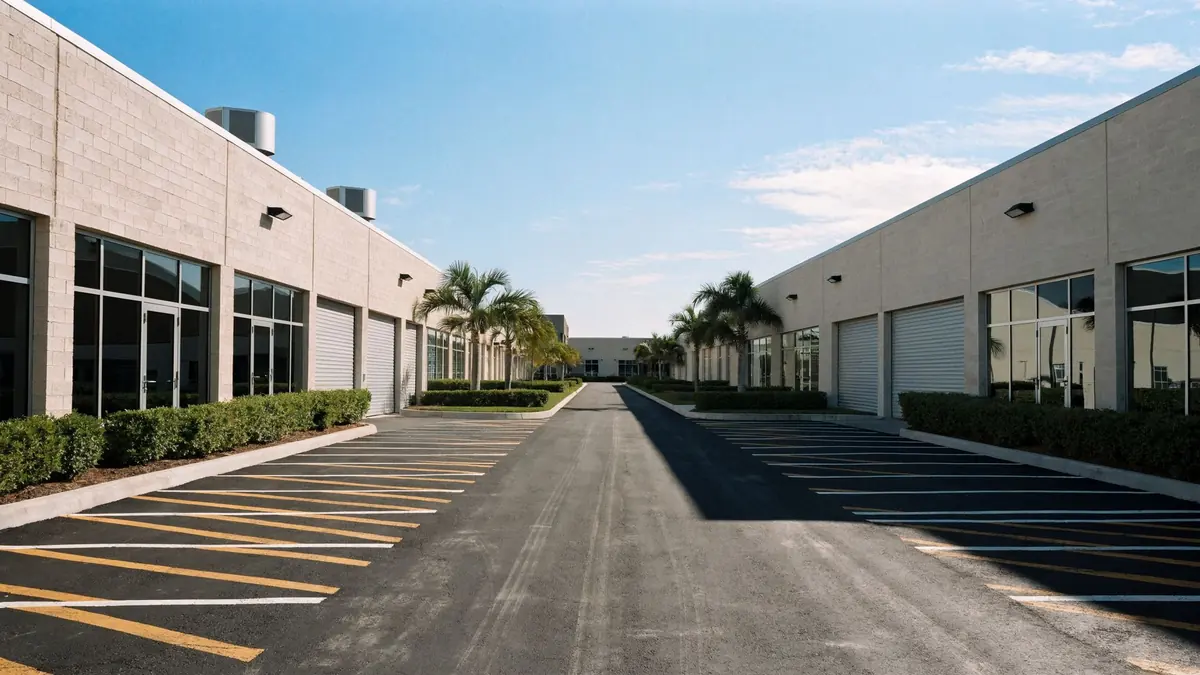
Delray Beach is one of the most competitive retail markets in Florida
Atlantic Avenue Delray is a nationally-recognized dining and specialty retail corridor. The west-to-east pedestrian spine from Swinton to the beach supports more per-square-foot restaurant productivity than almost any other submarket in South Florida. Pineapple Grove anchors the cultural district just north. Linton Boulevard and South Federal Highway carry the grocery-anchored and neighborhood retail market.
Signing a lease on Atlantic Avenue without experienced representation is the single costliest mistake an F&B or boutique retail operator can make in Palm Beach County. Landlord form leases on the corridor are aggressive on percentage rent, exclusivity, radius restrictions, and personal guaranty — every term compounds over a 10-year ground-floor retail lease.
Key Delray Beach submarkets
Atlantic Avenue (Downtown Core)
Prime F&B · Boutique Retail
The main pedestrian corridor from Swinton east to the beach. Premium dining, specialty retail, high foot traffic. Rates $55–$125/SF NNN depending on block and side of the street.
Pineapple Grove
Arts District · Creative Retail
Just north of Atlantic. Gallery district, creative office, boutique retail. More accessible rates than Atlantic core. Rates $32–$65/SF NNN.
South Federal Highway
Mixed-Use · Strip Retail
Federal Highway corridor south of downtown. Service retail, specialty, dining, auto-related. Rates $24–$48/SF NNN.
Linton Boulevard
Grocery-Anchored · Neighborhood
Suburban Delray. Publix-anchored and neighborhood centers, medical office, service retail. Rates $22–$42/SF NNN.
West Atlantic & Congress
Emerging · Mixed-Use
West Atlantic corridor and Congress Avenue intersections. Mixed retail and office, emerging restaurant concepts, lower rates. $24–$45/SF NNN.
Delray Beach Office
Downtown & Corporate
Downtown office above Atlantic Avenue retail, Congress corridor office park product. Rates $32–$48/SF FSG.
What's specific to Delray Beach negotiations
Percentage rent is the central battle on Atlantic
Atlantic Avenue landlords are aggressive on percentage rent — sometimes as high as 8% on restaurants — with artificial breakpoints well below the natural breakpoint. The natural breakpoint formula is Annual Base Rent ÷ Percentage Rate. On a $150,000 annual base rent at 7%, the natural breakpoint is $2,142,857 in annual sales. Landlord starting breakpoint offers on Atlantic are often half of natural. Justin's default: eliminate percentage rent, or push breakpoint at or above natural.
Exclusivity and use protection on Atlantic are critical
Atlantic Avenue has high restaurant concentration. Without clear use-specific exclusivity, your landlord can lease the space two doors down to a direct competitor the week after you open. Justin drafts narrow-but-protective exclusivity tied to the actual business concept, with enforcement teeth.
Radius restrictions limit your expansion
Atlantic landlords often push broad radius restrictions preventing you from opening additional locations within a defined distance — sometimes all of Palm Beach County. This is negotiable. Typical outcome: radius limited to 1–3 miles, or carved out to allow company-owned expansion.
Delray-specific consideration: Atlantic Avenue patio and outdoor dining rights need to be explicitly granted, not assumed. Outdoor seating drives 20–40% of restaurant revenue on Atlantic, and some landlords carve it out in lease addenda. Get patio rights — and any seasonal restrictions — negotiated upfront.
Current Delray Beach market dynamics
Atlantic core absorption remains strong despite elevated rents. Turnover on individual storefronts is frequent — restaurants cycle, concepts fail, and new entrants sign aggressive deals. That turnover creates opportunity for well-represented incoming tenants: landlords under pressure to backfill a vacated unit are much more flexible on TI, free rent, and guaranty structure than landlords on stabilized space.
Pineapple Grove has seen strong absorption since 2022 as retailers and creative operators priced out of Atlantic migrated north. The district is gaining foot traffic and retail productivity is climbing — rate increases are likely over the next 24 months.